• 14 Jan 2026

Buy Solar Inverter & Solar PCU for Home, Commercial and Industrial Use in India

India is rapidly transitioning towards renewable energy, with solar power emerging as one of the most reliable and cost-effective solutions for electricity generation. Rising electricity tariffs, frequent power outages, and increasing awareness of environmental sustainability have encouraged homeowners, commercial establishments, and industries to invest in solar energy systems.

At the core of every solar power system lies the Solar Inverter or Solar PCU (Power Conditioning Unit). These devices determine how efficiently solar energy is converted, stored, and supplied to electrical loads. Selecting the right inverter or PCU is critical for ensuring long-term performance, system safety, and maximum return on investment.

This comprehensive guide explains everything you need to know about buying solar inverters and solar PCUs in India for residential, commercial, and industrial applications.


Understanding Solar Inverters

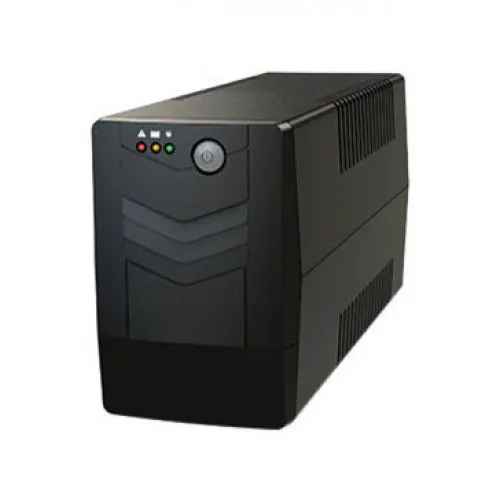
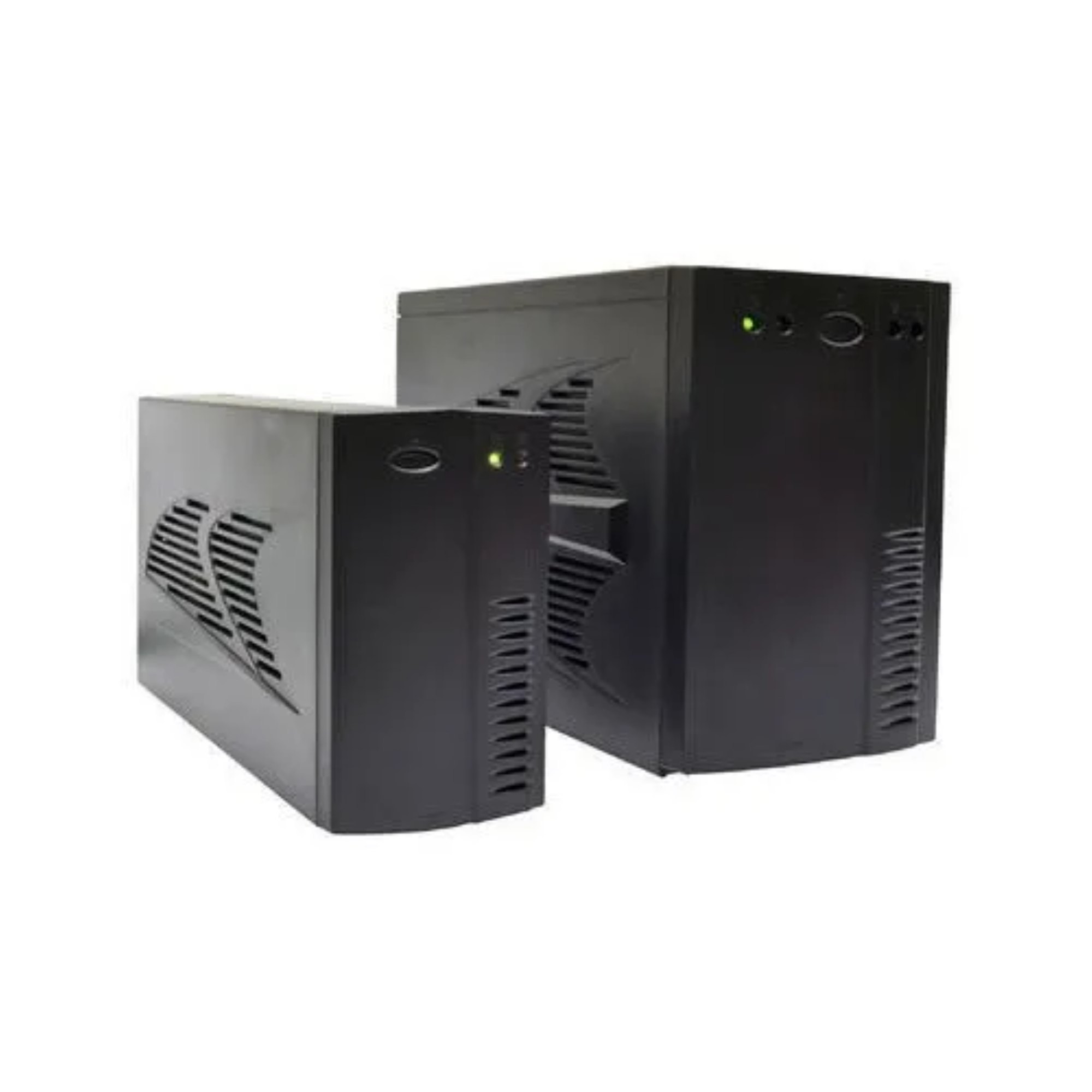
A Solar Inverter is an electrical device that converts direct current (DC) electricity generated by solar panels into alternating current (AC), which is suitable for running household appliances, office equipment, and industrial machinery.

Functions of a Solar Inverter

  • Converts DC power from solar panels into usable AC power
  • Regulates voltage and frequency
  • Synchronizes power output with the utility grid (for grid-connected systems)
  • Protects electrical equipment from fluctuations
  • Optimizes overall system efficiency

Solar inverters are essential for grid-tied solar systems where battery storage is not required.


What is a Solar PCU (Power Conditioning Unit)?

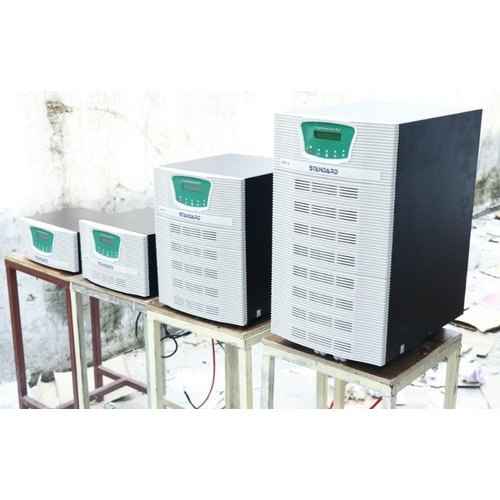
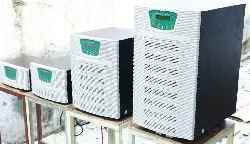
A Solar PCU is an advanced power management device that integrates the functionality of a solar inverter, battery charger, and grid controller into a single unit. It intelligently manages power from solar panels, batteries, and the electricity grid.

Key Functions of a Solar PCU

  • Converts DC to AC power
  • Charges batteries using solar and grid power
  • Automatically switches between solar, battery, and grid
  • Maintains power quality and system stability
  • Provides uninterrupted power supply during outages

Solar PCUs are ideal for locations with frequent power cuts or where battery backup is essential.


Difference Between Solar Inverter and Solar PCU

Feature Solar Inverter Solar PCU
DC to AC Conversion Yes Yes
Battery Management Limited or external Built-in
Grid Synchronization Yes Yes
Backup Power Optional Standard
Ideal Use Grid-tied systems Hybrid and off-grid systems
Power Control Basic Intelligent power conditioning

In simple terms, a solar PCU offers complete power management, while a solar inverter focuses primarily on conversion.


Buying Solar Inverter & PCU for Home Use

Typical Residential Requirements

  • Capacity range: 1 kW to 10 kW
  • Support for essential household appliances
  • Battery backup for power outages
  • Seamless transition between solar, grid, and battery
  • Low noise and minimal maintenance

Recommended Options for Homes

Usage Scenario Suitable Solution
Grid-connected home Solar inverter
Backup during outages Solar PCU
High power cuts Hybrid inverter with battery

Benefits for Homeowners

  • Reduced electricity bills
  • Reliable backup power
  • Long-term cost savings
  • Increased property value
  • Environment-friendly energy source

Buying Solar Inverter & PCU for Commercial Use

Commercial establishments require uninterrupted power supply, efficient load handling, and long operational life.

Common Commercial Applications

  • Offices
  • Retail stores
  • Hospitals and clinics
  • Schools and colleges
  • Hotels and restaurants

Key Requirements

  • Higher capacity (5 kW to 50 kW)
  • Compatibility with multiple loads
  • Smart power distribution
  • Battery backup for sensitive equipment
  • Monitoring and diagnostics features

Recommended Solutions

Commercial Setup Recommended System
Small offices Hybrid solar inverter
Retail shops Solar PCU
Educational institutes PCU with battery backup
Healthcare facilities PCU with UPS functionality

Buying Solar Inverter & PCU for Industrial Use

Industrial environments demand high-performance, durable, and scalable solar solutions.

Industrial Power Requirements

  • Capacity range: 10 kW to 500 kW and above
  • Three-phase power systems
  • High surge handling capability
  • Continuous operation
  • Integration with diesel generators and UPS systems

Suitable Industrial Solutions

  • Three-phase solar inverters
  • High-capacity solar PCUs
  • Hybrid systems with load prioritization
  • Centralized monitoring and automation

Industrial Advantages

  • Significant reduction in operational costs
  • Lower dependence on grid and diesel generators
  • Stable power supply for heavy machinery
  • Compliance with sustainability goals

Key Factors to Consider Before Buying

1. Load Calculation

Accurately calculate total connected load and backup requirements.

Basic formula: Total Load (W) × Backup Hours = Energy Requirement (Wh)


2. Phase Type

  • Single-phase: Residential and small commercial use
  • Three-phase: Commercial and industrial use

3. Battery Compatibility

Ensure compatibility with:

  • Tubular batteries
  • Gel batteries
  • Lithium-ion batteries

Battery selection impacts backup duration and system lifespan.


4. Efficiency and Output Quality

  • Choose pure sine wave output
  • Higher efficiency reduces energy losses
  • Better compatibility with sensitive electronics

5. Protection and Safety Features

Look for:

  • Overload protection
  • Short circuit protection
  • Over-voltage and under-voltage protection
  • Temperature control mechanisms

6. Warranty and Service Support

A reliable product should offer:

  • Minimum 3 to 5 years warranty
  • Readily available service centers
  • Spare parts availability

Installation and Maintenance

Installation Best Practices

  • Professional system design
  • Proper earthing and surge protection
  • Correct panel orientation and tilt
  • Adequate ventilation for inverter/PCU

Maintenance Requirements

  • Periodic cleaning of solar panels
  • Battery health checks
  • Inverter performance monitoring
  • Annual electrical inspections

Well-maintained systems operate efficiently for 20–25 years.


Types of Solar Inverters & PCUs Available in India

Residential Systems

  • 1 kW to 10 kW hybrid inverters
  • Solar PCUs with battery backup

Commercial Systems

  • 10 kW to 50 kW hybrid inverters
  • PCUs with intelligent load management

Industrial Systems

  • 50 kW to 500 kW three-phase inverters
  • High-capacity PCUs with automation and monitoring

Return on Investment (ROI)

Solar power systems in India typically recover their cost within:

  • 3 to 5 years for residential systems
  • 2 to 4 years for commercial installations
  • 2 to 3 years for industrial projects

After the payback period, electricity generation is virtually free, leading to long-term savings.


Frequently Asked Questions (FAQs)

What is the main advantage of a solar PCU?

A solar PCU provides intelligent power management, battery charging, and uninterrupted power supply.

Can solar inverters work without batteries?

Yes, grid-tied solar inverters operate without batteries.

Is a three-phase inverter necessary for industries?

Yes, most industrial setups require three-phase inverters for stable power distribution.

How long does a solar inverter last?

Typically 8–15 years depending on usage, maintenance, and operating conditions.

Can solar systems be expanded later?

Yes, most modern systems allow capacity expansion with compatible components.

Choosing the right Solar Inverter or Solar PCU is a crucial decision that impacts the performance, reliability, and savings of your solar power system. Residential users benefit from efficient hybrid systems, commercial establishments require intelligent load handling, and industries need robust, high-capacity solutions.

By understanding your energy requirements, system type, and long-term goals, you can invest in a solar solution that delivers consistent power, reduced electricity costs, and sustainable energy for years to come.
Post Your Requirement
333
Visitor Counter